Among the world’s great races, the Preakness Stakes holds a distinctive place. It may lack the history of the Epsom Derby or the prize money of the Dubai World Cup, yet its identity remains unmistakable, shaped by its timing and uniquely decisive role in the racing calendar.
Run as the second leg of the American Triple Crown, the Preakness blends intensity, tradition, and accessibility in a way few global races do. For those following racing across continents, it offers a clear contrast that highlights how differently elite races can be shaped.
Shortest Distance In the Triple Crown
At 1 3/16 miles (that’s 1m 1 1/5f in old language), the Preakness sits at an unusual middle ground. It is shorter than the Kentucky Derby and Belmont Stakes, yet long enough to test stamina. That balance creates a race that feels sharper and more immediate.
European Classics often reward patience and late surges. Pimlico demands a different approach. Early positioning matters more, and jockeys cannot afford to wait too long before making a move. Horses that rely on strong closing bursts can simply run out of track.
For viewers, that shift is refreshing. You are not watching a drawn-out test of endurance. Early positioning and pace become clear almost immediately. You are watching a tactical contest where decisions unfold quickly and visibly.
The Two Week Turnaround From The Derby
Few elements define the Preakness more than its timing. Just two weeks after the Kentucky Derby, it asks horses to return under demanding conditions, creating a tightly compressed test at the highest level of elite competition worldwide.
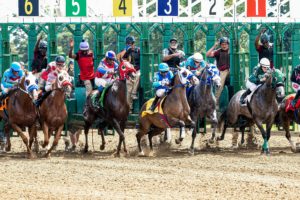
The Preakness is the second leg of the American Triple Crown
Most global racing schedules allow three to five weeks between major starts, giving horses time to recover and regroup. The Preakness breaks from that pattern, placing greater emphasis on resilience, stable confidence, and how well a horse can handle a quick return.
That tight window reshapes the field. Some Derby runners do not return, while fresh challengers gain an edge. For readers tracking how the race is forming, 2026 Preakness Stakes betting provides useful context through contender updates, post positions, and key trends.
The Woodlawn Vase & Its Historic Value
Prestige in racing is not always measured in prize money. The Woodlawn Vase stands as proof, representing a legacy that goes beyond financial reward. Few trophies in the sport carry the same blend of history, craftsmanship, and symbolic weight. Only perhaps a royal connection would top it.
Crafted by Tiffany & Co. in 1860, it is widely regarded as one of the most valuable trophies in North American sport. The original remains under museum-level protection, with winners presented a replica in recognition of their achievement.
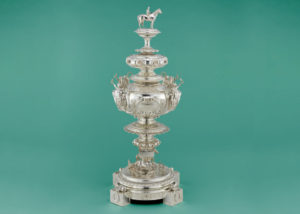
The Preakness trophy is the Woodlawn Vase (image copyright Baltimore Museum of Art)
That distinction sets the Preakness apart from many modern global races, where prize money often takes centre stage. Here, victory connects a horse and its connections to a lineage stretching back over a century, reinforcing a tradition that continues with each running.
Painting The Weather Vane
Celebration at Pimlico does not end in the winner’s enclosure. It extends beyond the track, quite literally, into the fabric of the racecourse itself. This tradition turns the result into a lasting visual feature rather than a fleeting moment.
Once the result is official, a painter climbs to the top of the cupola and colours the weather vane in the winning owner’s silks. Those colours remain on display for the entire year, serving as a constant visual reminder of the victory.
Few global races offer anything comparable. While events like Royal Ascot rely on ceremony and the Arc on prestige, the Preakness leaves a lasting mark on the venue, linking each winner to the track in a way that endures long after race day.
Black-Eyed Susan Tradition
The Preakness is often called the “Run for the Black-Eyed Susans”, yet the story behind that title reveals a subtle twist. The race’s visual identity is shaped as much by presentation as it is by tradition, rooted in regional heritage and symbolism.
Maryland’s state flower does not bloom in time for the race, so organisers use Viking Poms, yellow chrysanthemums with hand-painted centres, to recreate the look. The result is a carefully crafted floral blanket, prepared over several hours, and draped over the winner.
That detail may seem small, but it carries weight. It reflects regional pride, reinforces the race’s distinct identity, and adds character that helps the Preakness stand apart from more formal international events on the global racing stage.
Pimlico Alibi Breakfast
Elite racing often feels guarded, with tightly controlled information and carefully managed public appearances. The Preakness breaks from that pattern through the long-standing Alibi Breakfast, offering a rare moment of openness.
Held in the days leading up to the race, it brings together trainers, owners, and media in a relaxed setting. Participants share “alibis”, light-hearted explanations for why their horse might lose or how past results unfolded. God knows, any owner or trainer always needs an excuse!
The tone is informal and revealing. Candid insights, quiet confidence, and moments of humour emerge, offering seasoned followers a rare glimpse into the personalities, stories, and rivalries that shape the race behind the scenes.
Infield Experience & Modern Raceday Atmosphere
Race meetings around the world often lean on tradition, with dress codes, enclosures, and etiquette shaping the experience. The Preakness takes a different route, offering a more relaxed and inclusive atmosphere that appeals to broader audiences.
Its infield has evolved into a vibrant social space, anchored by events such as InfieldFest. Music, crowds, and a festival-like setting transform the centre of the track into something closer to a cultural event than a traditional race meeting.
That shift broadens the appeal without overshadowing the sport. The contrast between elite competition on the track and a lively infield crowd creates a distinctive energy, engaging newer audiences while adding a different dimension to race day.
A Race Unlike Any Other
Each element helps shape the Preakness’s identity. The shorter distance sharpens the contest, the tight turnaround adds pressure, and traditions like the Woodlawn Vase and weather vane ground it in history, while the infield atmosphere brings a more modern, accessible energy.
That balance makes the Preakness compelling to a global audience, across racing cultures in Europe and beyond. It sits between heritage and spectacle, offering a race that feels immediate, character-driven, and unpredictable, where narratives shift quickly and outcomes remain open.